
Nose Bleed (Epistaxis) Treatment in Wakad, Pune: Effective ENT Care
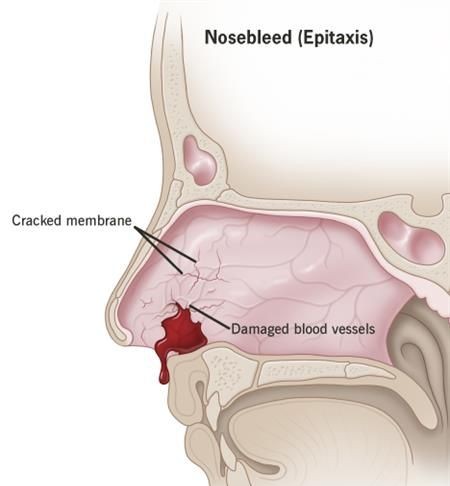
Nose bleeding, medically known as epistaxis, is a common ENT problem that can affect people of all ages. While occasional nosebleeds are generally harmless, frequent or severe episodes require medical attention. Specialized nose bleed treatment in Wakad, Pune ensures proper diagnosis, effective management, and prevention of future episodes. Early evaluation by an ENT specialist helps identify underlying causes and provides targeted solutions to maintain healthy nasal function.
What is Epistaxis?
Epistaxis refers to bleeding from the nostrils, which can occur spontaneously or due to trauma. The nasal lining contains many small blood vessels that are delicate and prone to injury. Nosebleeds can be classified as:
- Anterior Epistaxis: Bleeding from the front of the nose, usually from the lower nasal septum. This is the most common type and often less serious.
- Posterior Epistaxis: Bleeding from deeper arteries in the back of the nose. It is less common but may require urgent medical attention due to heavy bleeding.
Recognizing the type of nosebleed is essential for determining appropriate treatment and preventing complications.
Causes and Risk Factors
Trauma and Injury
Dryness and Environmental Factors
Medical Conditions and Medications
Anatomical and Structural Factors
Symptoms of Nose Bleeds
Common signs of epistaxis include:
- Sudden bleeding from one or both nostrils
- Blood dripping down the back of the throat (posterior bleeds)
- Mild dizziness or lightheadedness in severe cases
- Frequent episodes without obvious trauma
Early recognition of these symptoms allows timely intervention and reduces the risk of complications such as anemia or persistent nasal irritation.
Treatment Options
First Aid and Home Care
Minor anterior nosebleeds can often be managed at home by:
- Sitting upright and leaning forward slightly
- Pinching the soft part of the nose for 10–15 minutes
- Applying a cold compress to the nose and cheeks
Medical Treatment
If bleeding persists or is recurrent, professional care is necessary. Treatments may include:
- Cauterization of the affected blood vessel
- Nasal packing to control heavy bleeding
- Medications to address underlying conditions such as high blood pressure or clotting disorders
Surgical Intervention
In rare cases of severe or posterior nosebleeds, minimally invasive surgery may be required. Procedures aim to locate and control the bleeding source, ensuring long-term relief and preventing recurrence.
Prevention Tips
To reduce the risk of nosebleeds:
- Keep nasal passages moist using saline sprays or humidifiers
- Avoid excessive nose picking or forceful blowing
- Protect the nose from trauma
- Manage allergies and chronic sinus problems with proper medical guidance
Regular check-ups with an ENT specialist ensure early detection of underlying causes
Summary
Nose bleeds (epistaxis) can range from minor inconvenience to serious medical concern. Specialized nose bleed treatment in Wakad, Pune provides effective solutions through accurate diagnosis, medication, minor procedures, or surgical interventions when necessary. Understanding causes, recognizing symptoms, and consulting an ENT specialist ensures safe management, prevents complications, and maintains healthy nasal function. With proper care and preventive measures, patients can reduce the frequency of nosebleeds and enjoy improved nasal health and overall well-being.